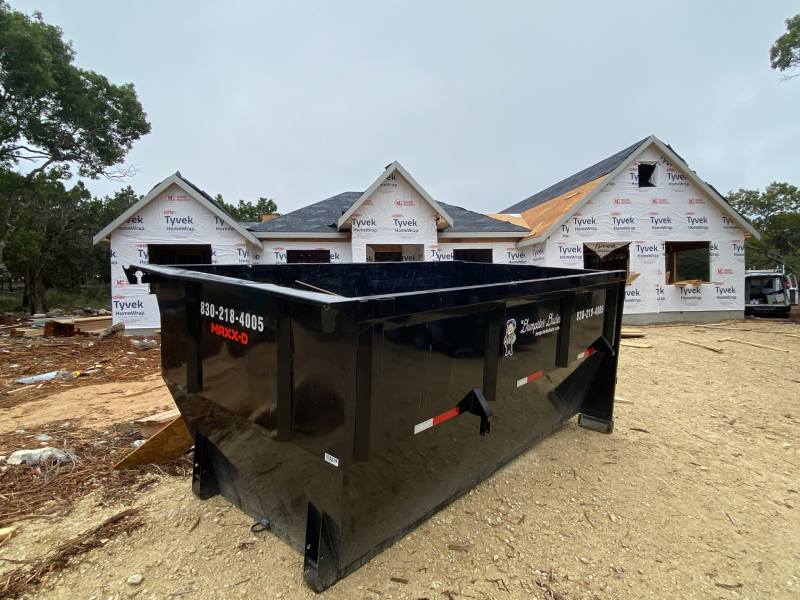
Commercial Roll-Off Dumpster for Renovation Debris: Matching the Container to Heavy Loads
Renovation debris fools people. A mound of broken tile, plaster, and ripped-out cabinets looks easy to pick up until you actually try. Then the weight hits you. Demolition rubble carries weight, and what looks like a half-full container can be impossible to haul. That surprise takes most first-time renovators by surprise, causing them to run out of time they had not allocated.
A commercial roll-off dumpster processes remodel waste adequately; however, scale the container to suit the density of what you are throwing out. At RMS Dumpsters, we have roll-off containers in 10- to 40-yard classes, as well as a heavy-duty model designed for dense loads. Choosing lightweight keeps your project on the cutting edge of weight and near budget.
Heavy debris acts differently than light bulky trash, and the gap between those two matters more than you realize. RMS Dumpsters & Services LLC has container sizes for both, so a renovation crew isn’t stuck trying to cram concrete into a box intended for cardboard. You lean either way, as a brief read of your material suggests. Hence, before you fix on a particular size, have an eye on what you are ripping out.
Why Renovation Debris Weighs More Than You Expect
Construction materials pack a lot of tonnage into a tiny footprint. It fills the bottom of a container with a stack of drywall, a load of old tile, or a pile of broken concrete, and stops there. You have scarcely touched the place and yet the box is already close to overflowing.
So here is what it typically runs heavy on your renovation:
- Concrete, brick, and masonry rubble
- Ceramic tile and old mortar
- Plaster and drywall in bulk
- Dirt, stone, and roofing material
This is where the bad pick stings. If you fill a standard container with heavy rubble, then there is a risk that you will exceed the weight limit for safe truck transport. An overweight box can’t be sent from your site. But have you thought of the time when the driver arrives and can not take over the load? The job stalls, and you wait.
How to Have a Roll-Off Dumpster That Can Hold Heavy Loads
The sizing for weight is the reverse logic. When hauling heavy debris, smaller is more often better than bigger. A condensed little container full of dense material is better to stay under safe hauling weight than a large container packed to the height!
For this reason, we will go ahead and separate the analysis by materials. When you’re tearing out tile and fixtures during a bath or kitchen remodel, size-wise, a 10 or 15-yard container typically handles the weight. For mixed renovation debris, a 20-yard box has space without inviting an overweight load. RMS operates a heavy-duty container designed specifically for this type of dense, demanding waste that measures 20 yards in length.
The heavy-duty build matters here. A weight-bearing container gently cradles rubble and construction debris. You may think the largest box is the safest. Well, it most likely isn’t, especially when it comes to concrete and masonry. Pack rubble into a 40-yard container, and it becomes impossible to cart the moment it fills up, well before it looks full! And that is the mistake that results in a complete box in your driveway with nowhere to go.
How Much Does It Actually Cost to Overload a Roll-Off Container?
Weighing over the limit has serious connotations. An overfull or overweight container sits on your site until you excavate enough material to make it haulable. That lag can impact your entire timeline, and wasted months on a renovation is liable to add up fast.
There is a safety side too. If the debris pile is above the truck’s top rail, the truck cannot latch on to it and haul it away legally. The driver can leave some of your load, and you are responsible for the rest. Neither is the outcome you wanted to picture while booking.
Think about the ripple effect:
- A stalled haul halts the next phase of your work.
- Overweight fees chew away at the Project budget
- An obstruction in the path of a driveway or work zone forces the work crew to slow down.
- Delayed another day from rescheduling the pickup
On its own, none of this is particularly dramatic. However, together these little hiccups transform an easy renovation into an aggravating one. Paying a crew standing around waiting on a container is you paying for downtime! The entire scene can be avoided with the right sizing from the first time.
And now (or first of all) is a good time to talk through your debris, before you book.
A short pre-delivery chat is the most intelligent course of action. That tidbit helps us land on a trash container that can hold your debris easily without exceeding a weight limit.
Things to note when you call:
- Primary material, such as tile, concrete, or a blend of rubble
- Something as simple as a rough square footage, such as one room or an entire floor
- Load leaning heavy and bulky
- The specified location of your drop zone and its surface
The last one is actually more important than people think. RMS points out that a loaded container weighs quite a bit, and says a full box can literally scrape or crack your driveway. Find a colorful place that can handle the weight. Certain crews will cover the ground floor with plywood to distribute the weight, a small gesture that saves on a repair bill in the future.
Renovation waste rewards careful sizing. Select the container based on the weight of your debris, keep it under the rail, and select a location to contain the load. Do so, and the demolition part of your work stays silent while you concentrate on the build. RMS Dumpsters offers roll-offs in different sizes at the ready; if large debris hits your doorstep, a call is all you have to make.